Astaxanthin
What is Astaxanthin?
Astaxanthin is a naturally occurring carotenoid pigment, giving a pink-red colour to foods. It is found in algae, yeast, salmon, trout, krill, shrimp and crayfish. It is typically produced commercially through the cultivation of microalgae, such as Haematococcus pluvialis.
Is Astaxanthin a major allergen?
Astaxanthin is not derived from any of the 14 major allergens that UK law requires to be emphasised on food labels.
What is Astaxanthin used for?
Astaxanthin is primarily used as a natural colourant in foods, particularly in aquaculture feeds to give farmed salmon and trout their characteristic pink flesh.
Is Astaxanthin safe?
Astaxanthin is authorised as a food additive (colour) in the UK and the EU.
Why it's used
Astaxanthin is primarily used as a natural colourant in foods, particularly in aquaculture feeds to give farmed salmon and trout their characteristic pink flesh. It may also be added to dietary supplements and some beverages for its perceived health benefits and colour.
Health notes
Astaxanthin is authorised as a food additive (colour) in the UK and the EU. EFSA has evaluated astaxanthin and it is listed on the Register of Food Additive Authorisations. JECFA has also evaluated it and set an acceptable daily intake. Evidence for specific health benefits in humans from astaxanthin consumption is still developing and often comes from studies on supplements rather than typical food intakes.
Allergen info
Astaxanthin is not derived from any of the 14 major allergens that UK law requires to be emphasised on food labels. Not a major allergen.
Foods that contain Astaxanthin
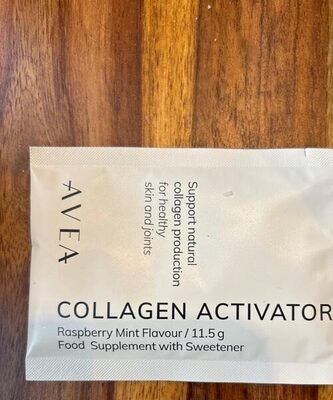
Auto-generated content. This description was generated automatically and is pending editorial review. Inaccuracies are possible. Found a mistake? Contact us.