Rubbed Sage
What is Rubbed Sage?
Sage (Salvia officinalis) is a perennial herb native to the Mediterranean region. The leaves are typically dried and rubbed or ground to create a culinary herb used for its distinct aromatic and slightly peppery flavour.
Is Rubbed Sage vegan?
Rubbed Sage is not animal-derived. Products that contain it can still include other animal-derived ingredients, so check the full ingredient list.
Is Rubbed Sage a major allergen?
Sage is not one of the 14 major allergens that require mandatory labelling in the UK.
What is Rubbed Sage used for?
Rubbed sage is primarily used as a flavouring agent in a wide variety of savoury dishes.
Is Rubbed Sage safe?
Sage is not considered a food additive and is used for its flavour.
Why it's used
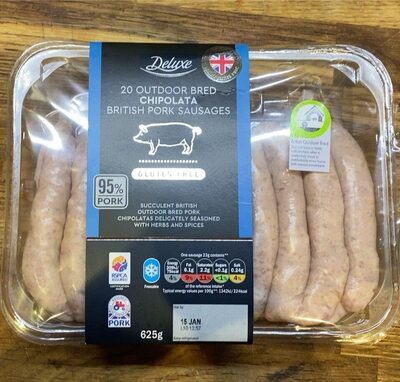
Rubbed sage is primarily used as a flavouring agent in a wide variety of savoury dishes. It is particularly popular in British cuisine, commonly found in stuffings, pork dishes, sausages, and gravies, where its pungent aroma complements fatty meats.
Health notes
Sage is not considered a food additive and is used for its flavour. Traditional and some scientific studies suggest potential antioxidant and anti-inflammatory properties, but robust evidence from large-scale human trials is limited. The European Food Safety Authority (EFSA) has evaluated sage extracts for specific uses, but sage itself is not subject to the same regulatory framework as synthetic food additives. Evidence regarding specific health benefits or risks at typical dietary intakes is not conclusive.
Allergen info
Sage is not one of the 14 major allergens that require mandatory labelling in the UK. It is not derived from any of these allergens.
Foods that contain Rubbed Sage
Compare products →



Auto-generated content. This description was generated automatically and is pending editorial review. Inaccuracies are possible. Found a mistake? Contact us.