Thermally oxidised soya bean oil interacted with mono- and diglycerides of fatty acids
What is Thermally oxidised soya bean oil interacted with mono- and diglycerides of fatty acids?
Thermally oxidised soya bean oil interacted with mono- and diglycerides of fatty acids is a processed oil derivative. It is produced by heating soya bean oil and then reacting it with mono- and diglycerides, which are derived from fats and oils.
Is Thermally oxidised soya bean oil interacted with mono- and diglycerides of fatty acids vegan?
Thermally oxidised soya bean oil interacted with mono- and diglycerides of fatty acids is not animal-derived. Products that contain it can still include other animal-derived ingredients, so check the full ingredient list.
Is Thermally oxidised soya bean oil interacted with mono- and diglycerides of fatty acids a major allergen?
This ingredient is derived from soya, which is one of the 14 major allergens that UK law requires to be emphasised on food labels.
What is Thermally oxidised soya bean oil interacted with mono- and diglycerides of fatty acids used for?
This ingredient functions as an emulsifier and stabiliser in food products.
Is Thermally oxidised soya bean oil interacted with mono- and diglycerides of fatty acids safe?
This substance is authorised as a food additive in Great Britain and is listed in the Register of Food Additive Authorisations.
Why it's used
This ingredient functions as an emulsifier and stabiliser in food products. It helps to blend oil and water-based ingredients, preventing separation and improving texture. It is commonly found in processed foods such as frozen pizzas and baked goods.
Health notes
This substance is authorised as a food additive in Great Britain and is listed in the Register of Food Additive Authorisations. European food safety authorities (EFSA) have evaluated emulsifiers, and while specific evaluations for this exact interaction may vary, they are generally considered safe at typical consumption levels. Evidence regarding long-term health effects at high intakes is limited, and it is not typically associated with major health controversies.
Regulatory status
Authorised in Great Britain (FSA register): England, Scotland, Wales. FSA register of authorised products
Permitted uses in the EU
| Food category | Maximum level |
|---|---|
| 2.2.2 Other fat and oil emulsions including spreads as defined by Regulation (EC) No 1234/2007 and liquid emulsions | 5000 |
Allergen info
This ingredient is derived from soya, which is one of the 14 major allergens that UK law requires to be emphasised on food labels.
Foods that contain Thermally oxidised soya bean oil interacted with mono- and diglycerides of fatty acids
Compare products →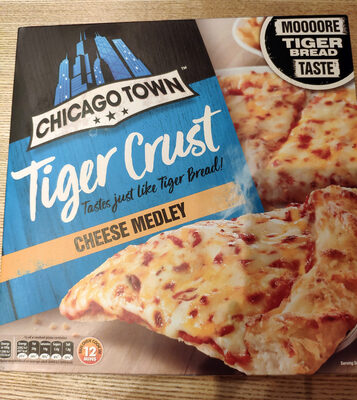

Auto-generated content. This description was generated automatically and is pending editorial review. Inaccuracies are possible. Found a mistake? Contact us.