Polyethylene glycol
What is Polyethylene glycol?
Polyethylene glycol (PEG) is a synthetic polymer, a type of plastic. It is produced by the polymerisation of ethylene oxide. Its properties can be varied by changing the length of the polymer chain.
Is Polyethylene glycol vegan?
Polyethylene glycol is not animal-derived. Products that contain it can still include other animal-derived ingredients, so check the full ingredient list.
Is Polyethylene glycol a major allergen?
Polyethylene glycol is not derived from any of the 14 major allergens that UK law requires to be emphasised on food labels.
What is Polyethylene glycol used for?
In food, PEGs are primarily used as a glazing agent and a processing aid.
Is Polyethylene glycol safe?
Polyethylene glycols are authorised food additives in Great Britain.
Why it's used
In food, PEGs are primarily used as a glazing agent and a processing aid. They can help to give food products a smooth, shiny appearance and prevent sticking during manufacturing. They are often found in confectionery and baked goods.
Health notes
Polyethylene glycols are authorised food additives in Great Britain. The European Food Safety Authority (EFSA) has evaluated PEGs and they are permitted for use under specific conditions. JECFA has also evaluated PEGs and set an acceptable daily intake. Concerns have been raised in some non-food contexts about potential impurities, but at the levels typically found in food, they are considered safe by regulatory bodies.
Regulatory status
Authorised in Great Britain (FSA register): England, Scotland, Wales. FSA register of authorised products
Permitted uses in the EU
| Food category | Maximum level |
|---|---|
| 11.4.2 table-top sweeteners in powder form | No numerical limit listed |
| 11.4.3 table-top sweeteners in tablets | No numerical limit listed |
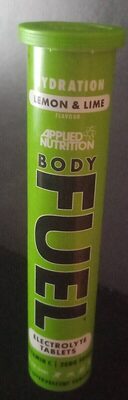
| 17.1 food supplements supplied in a solid form excluding food supplements for infants and young children’, | 10000 |
Allergen info
Polyethylene glycol is not derived from any of the 14 major allergens that UK law requires to be emphasised on food labels. Not a major allergen.
Foods that contain Polyethylene glycol
Auto-generated content. This description was generated automatically and is pending editorial review. Inaccuracies are possible. Found a mistake? Contact us.