Potassium acetate
What is Potassium acetate?
Potassium acetate is the potassium salt of acetic acid. It is a white crystalline solid that can be produced by reacting potassium carbonate or bicarbonate with acetic acid. It is soluble in water and alcohol.
Is Potassium acetate vegan?
Potassium acetate is not animal-derived. Products that contain it can still include other animal-derived ingredients, so check the full ingredient list.
Is Potassium acetate gluten-free?
It does not contain gluten.
Is Potassium acetate a major allergen?
Potassium acetate is not one of the 14 major allergens that UK law requires to be emphasised on food labels.
What is Potassium acetate used for?
Potassium acetate functions as a preservative and acidity regulator in food products.
Is Potassium acetate safe?
Potassium acetate is an authorised food additive in the UK, listed on the Register of Food Additive Authorisations.
Why it's used
Potassium acetate functions as a preservative and acidity regulator in food products. It helps to inhibit the growth of bacteria and other microorganisms, extending the shelf life of foods. It is commonly found in processed meats, baked goods, and some beverages.
Health notes
Potassium acetate is an authorised food additive in the UK, listed on the Register of Food Additive Authorisations. It has been evaluated by EFSA, which concluded that it is safe for use as a food additive. At typical intake levels found in food, it is not associated with adverse health effects. JECFA has also evaluated potassium acetate and set an acceptable daily intake. There are no notable controversies regarding its use.
Regulatory status
Authorised in Great Britain (FSA register): England, Scotland, Wales. FSA register of authorised products
Permitted uses in the EU
| Food category | Maximum level |
|---|---|
| 4.2.3 canned or bottled fruit and vegetables | No numerical limit listed |
| 7.1.1 Bread prepared solely with the following ingredients: wheat flour, water, yeast or leaven, salt | No numerical limit listed |
| 7.1.2 Pain courant français; Friss búzakenyér, Fehér és Félbarna kenyerek | No numerical limit listed |
| 8.2 Meat preparations as defined by Regulation (EC) No 853/2004 | No numerical limit listed |
| 13.1.3 Processed cereal-based foods and baby foods as defined by Regulation (EU) No 609/2013 | No numerical limit listed |
Allergen info
Potassium acetate is not one of the 14 major allergens that UK law requires to be emphasised on food labels. It does not contain gluten.
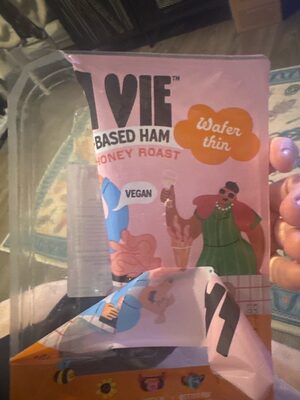
Foods that contain Potassium acetate
Compare products →




Auto-generated content. This description was generated automatically and is pending editorial review. Inaccuracies are possible. Found a mistake? Contact us.