Citric acid esters of mono- and diglycerides of fatty acids
What is Citric acid esters of mono- and diglycerides of fatty acids?
Citric acid esters of mono- and diglycerides of fatty acids are emulsifiers made by reacting mono- and diglycerides (derived from fats and oils) with citric acid. This process modifies the emulsifying properties of the original mono- and diglycerides.
Is Citric acid esters of mono- and diglycerides of fatty acids vegan?
No. Citric acid esters of mono- and diglycerides of fatty acids is animal-derived, so it is not vegan.
Is Citric acid esters of mono- and diglycerides of fatty acids gluten-free?
It is not a source of gluten.
Is Citric acid esters of mono- and diglycerides of fatty acids a major allergen?
This ingredient is not derived from any of the 14 major allergens that UK law requires to be emphasised on food labels.
What is Citric acid esters of mono- and diglycerides of fatty acids used for?
These compounds act as emulsifiers, helping to blend ingredients that normally don't mix, such as oil and water.
Is Citric acid esters of mono- and diglycerides of fatty acids safe?
This substance is authorised as a food additive in Great Britain and is listed on the Register of Food Additive Authorisations.
Why it's used
These compounds act as emulsifiers, helping to blend ingredients that normally don't mix, such as oil and water. They are used in a variety of baked goods, confectionery, and dairy products to improve texture and stability.
Health notes
This substance is authorised as a food additive in Great Britain and is listed on the Register of Food Additive Authorisations. EFSA has evaluated it and established its safety for use. JECFA has also evaluated it and set an acceptable daily intake. At typical consumption levels, it is not associated with adverse health effects.
Regulatory status
Authorised in Great Britain (FSA register): England, Scotland, Wales. FSA register of authorised products
Permitted uses in the EU
| Food category | Maximum level |
|---|---|
| 1.10 Milk-based drinks and similar products intended for young children* | 7500 |
| 1.10 Milk-based drinks and similar products intended for young children* | 9000 |
| 2.1 fats and oils essentially free from water (excluding anhydrous milk fat) | No numerical limit listed |
| 5.1 Cocoa and chocolate products as covered by Directive 2000/36/EC | No numerical limit listed |
| 13.1.1 infant formulae as defined by Regulation (EU) No 609/2013 | 7500 |
| 13.1.1 infant formulae as defined by Regulation (EU) No 609/2013 | 9000 |
| 13.1.2 follow-on formulae as defined by by Regulation (EU) No 609/2013 | 9000 |
| 13.1.2 follow-on formulae as defined by by Regulation (EU) No 609/2013 | 7500 |
| 13.1.3 Processed cereal-based foods and baby foods as defined by Regulation (EU) No 609/2013 | 5000 |
| 13.1.5.1 Foods for special medical purposes as defined by Regulation (EU) No 609/2013, intended for infants | 7500 |
| 13.1.5.1 Foods for special medical purposes as defined by Regulation (EU) No 609/2013, intended for infants | 9000 |
| 13.1.5.2 Foods for special medical purposes, as defined by Regulation (EU) No 609/2013, intended for infants as from four months of age and for young children | 7500 |
| 13.1.5.2 Foods for special medical purposes, as defined by Regulation (EU) No 609/2013, intended for infants as from four months of age and for young children | 9000 |
Allergen info
This ingredient is not derived from any of the 14 major allergens that UK law requires to be emphasised on food labels. It is not a source of gluten.
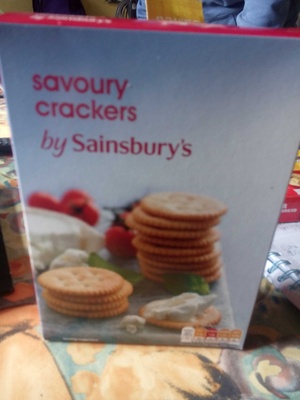
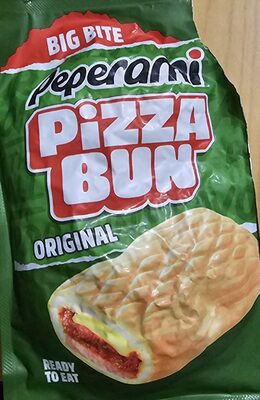
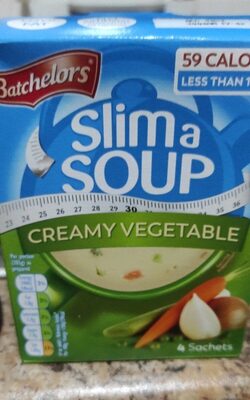
Foods that contain Citric acid esters of mono- and diglycerides of fatty acids
Compare products →








Auto-generated content. This description was generated automatically and is pending editorial review. Inaccuracies are possible. Found a mistake? Contact us.