E294
What is E294?
294 is the E-number for poly–aspartic acid. It is a synthetic polymer made from the amino acid aspartic acid. Polyaspartic acid is produced through a process involving heating aspartic acid to form a cyclic intermediate, which is then polymerised.
Is E294 vegan?
E294 is not animal-derived. Products that contain it can still include other animal-derived ingredients, so check the full ingredient list.
Is E294 gluten-free?
It is not a source of gluten.
Is E294 a major allergen?
Polyaspartic acid is not derived from any of the 14 major allergens that UK law requires to be emphasised on food labels.
What is E294 used for?
Polyaspartic acid is used as a chelating agent and scale inhibitor in industrial applications, and in some food products as an acidity regulator.
Is E294 safe?
Polyaspartic acid is authorised as a food additive in Great Britain and is listed on the Register of Food Additive Authorisations.
Why it's used
Polyaspartic acid is used as a chelating agent and scale inhibitor in industrial applications, and in some food products as an acidity regulator. It can help to bind metal ions, which can improve the stability and appearance of certain foods and beverages.
Health notes
Polyaspartic acid is authorised as a food additive in Great Britain and is listed on the Register of Food Additive Authorisations. European food safety authorities have evaluated it. JECFA has evaluated it and set an acceptable daily intake. There is limited research on the specific health implications of polyaspartic acid consumption at typical dietary levels.
Allergen info
Polyaspartic acid is not derived from any of the 14 major allergens that UK law requires to be emphasised on food labels. It is not a source of gluten.
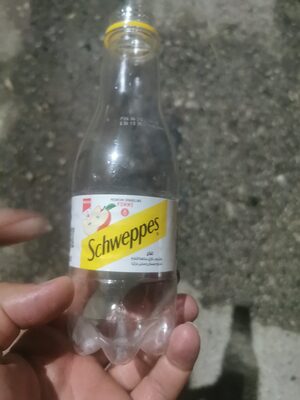
Foods that contain E294
Auto-generated content. This description was generated automatically and is pending editorial review. Inaccuracies are possible. Found a mistake? Contact us.