Neohesperidine dihydrochalcone
What is Neohesperidine dihydrochalcone?
Neohesperidine dihydrochalcone is a high-intensity sweetener derived from citrus fruit flavonoids, specifically naringin found in bitter oranges. It is produced by hydrogenating naringin and then converting it to neohesperidin, which is subsequently hydrogenated to form neohesperidine dihydrochalcone.
Is Neohesperidine dihydrochalcone vegan?
Neohesperidine dihydrochalcone is not animal-derived. Products that contain it can still include other animal-derived ingredients, so check the full ingredient list.
Is Neohesperidine dihydrochalcone gluten-free?
It does not contain gluten.
Is Neohesperidine dihydrochalcone a major allergen?
Neohesperidine dihydrochalcone is not derived from any of the 14 major allergens that UK law requires to be emphasised on food labels.
What is Neohesperidine dihydrochalcone used for?
Manufacturers add neohesperidine dihydrochalcone for its intense sweetness and lingering bitter aftertaste, which can enhance or modify flavour profiles.
Is Neohesperidine dihydrochalcone safe?
Neohesperidine dihydrochalcone is authorised as a food additive in Great Britain and is listed in the Register of Food Additive Authorisations.
Why it's used
Manufacturers add neohesperidine dihydrochalcone for its intense sweetness and lingering bitter aftertaste, which can enhance or modify flavour profiles. It is commonly used in sugar-free or reduced-sugar products, such as diet soft drinks, confectionery, and chewing gum, where it provides sweetness without adding calories.
Health notes
Neohesperidine dihydrochalcone is authorised as a food additive in Great Britain and is listed in the Register of Food Additive Authorisations. The European Food Safety Authority (EFSA) has evaluated it and established an acceptable daily intake (ADI). At typical intake levels found in food, it is not associated with adverse health effects. Evidence regarding its long-term effects at very high doses is limited, but current regulatory assessments consider it safe for consumption within established limits.
Regulatory status
Authorised in Great Britain (FSA register): England, Scotland, Wales. FSA register of authorised products
Permitted uses in the EU
| Food category | Maximum level |
|---|---|
| 1.4 flavoured fermented milk products including heat-treated products | 50 |
| 2.2.2 Other fat and oil emulsions including spreads as defined by Regulation (EC) No 1234/2007 and liquid emulsions | 5 |
| 3 edible ices | 50 |
| 4.2.2 fruit and vegetables in vinegar oil or brine | 100 |
| 4.2.3 canned or bottled fruit and vegetables | 50 |
| 4.2.4.1 fruit and vegetable preparations excluding compote | 50 |
| 4.2.5 jam jellies and marmalades and similar products | 50 |
| 4.2.5 jam jellies and marmalades and similar products | 5 |
| 4.2.5.1 Extra jam and extra jelly as defined by Directive 2001/113/EC | 50 |
| 4.2.5.2 Jam, jellies and marmalades and sweetened chestnut puree as defined by Directive 2001/113/EC | 50 |
| 4.2.5.2 Jam, jellies and marmalades and sweetened chestnut puree as defined by Directive 2001/113/EC | 5 |
| 4.2.5.3 other similar fruit or vegetable spreads | 50 |
| 5.1 Cocoa and chocolate products as covered by Directive 2000/36/EC | 100 |
| 5.2 Other confectionery including breath freshening micro-sweets | 100 |
| 5.2 Other confectionery including breath freshening micro-sweets | 150 |
| 5.2 Other confectionery including breath freshening micro-sweets | 400 |
| 5.2 Other confectionery including breath freshening micro-sweets | 50 |
| 5.3 chewing gum | 150 |
| 5.3 chewing gum | 400 |
| 5.4 Decorations, coatings and fillings, except fruit-based fillings covered by category 4.2.4 | 100 |
| 5.4 Decorations, coatings and fillings, except fruit-based fillings covered by category 4.2.4 | 150 |
| 5.4 Decorations, coatings and fillings, except fruit-based fillings covered by category 4.2.4 | 50 |
| 6.3 breakfast cereals | 50 |
| 7.2 Fine bakery wares | 50 |
| 8.3.1 Non-heat-treated processed meat | 5 |
| 8.3.2 Heat-treated meat products | 5 |
| 9.2 Processed fish and fishery products including molluscs and crustaceans | 30 |
| 11.4.1 table-top sweeteners in liquid form | No numerical limit listed |
| 11.4.2 table-top sweeteners in powder form | No numerical limit listed |
| 11.4.3 table-top sweeteners in tablets | No numerical limit listed |
Allergen info
Neohesperidine dihydrochalcone is not derived from any of the 14 major allergens that UK law requires to be emphasised on food labels. It does not contain gluten.
Foods that contain Neohesperidine dihydrochalcone
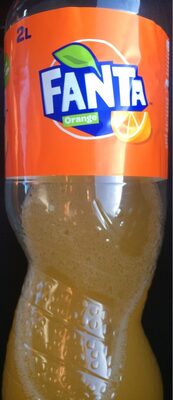
Auto-generated content. This description was generated automatically and is pending editorial review. Inaccuracies are possible. Found a mistake? Contact us.