Puffed rice
What is Puffed rice?
Puffed rice is a breakfast cereal made by heating rice grains under high pressure, causing them to expand and become light and crispy. This process, often involving steam, results in the characteristic puffed texture. It is a popular grain-based food enjoyed worldwide.
Is Puffed rice vegan?
Puffed rice is not animal-derived. Products that contain it can still include other animal-derived ingredients, so check the full ingredient list.
Is Puffed rice gluten-free?
It does not contain gluten.
Is Puffed rice a major allergen?
Puffed rice is derived from rice, which is a cereal grain but not one of the 14 major allergens that UK law requires to be emphasised on labels.
What is Puffed rice used for?
Puffed rice is primarily used as a breakfast cereal, often mixed with milk or yogurt.
Is Puffed rice safe?
Puffed rice is a grain product and not a food additive, so it does not have an E-number or require authorisation on the Register of Food Additive Authorisations.
Why it's used
Puffed rice is primarily used as a breakfast cereal, often mixed with milk or yogurt. It also serves as a crunchy ingredient in snack bars, confectionery, and baked goods, adding texture and volume. Its light, airy nature makes it a versatile component in various food products.
Health notes
Puffed rice is a grain product and not a food additive, so it does not have an E-number or require authorisation on the Register of Food Additive Authorisations. It provides carbohydrates and some fibre. As with most refined grains, the puffing process can reduce some of its nutrient content compared to whole grains. The NHS Eatwell Guide recommends that starchy carbohydrates like rice should form the basis of meals, with whole grain versions being preferable.
Allergen info
Puffed rice is derived from rice, which is a cereal grain but not one of the 14 major allergens that UK law requires to be emphasised on labels. It does not contain gluten.
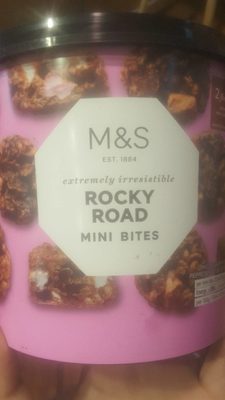
Foods that contain Puffed rice
Compare products →




Auto-generated content. This description was generated automatically and is pending editorial review. Inaccuracies are possible. Found a mistake? Contact us.