Tartaric acid esters of mono- and diglycerides of fatty acids
What is Tartaric acid esters of mono- and diglycerides of fatty acids?
These are compounds formed by reacting tartaric acid with mono- and diglycerides. Mono- and diglycerides are typically derived from fats and oils, often from vegetable sources, and tartaric acid can be naturally occurring or synthetically produced. The resulting esters are often used as emulsifiers in food production.
Is Tartaric acid esters of mono- and diglycerides of fatty acids a major allergen?
Not a major allergen.
What is Tartaric acid esters of mono- and diglycerides of fatty acids used for?
Tartaric acid esters of mono- and diglycerides function as emulsifiers, helping to blend oil and water-based ingredients.
Is Tartaric acid esters of mono- and diglycerides of fatty acids safe?
This substance is authorised as a food additive in the UK and the EU.
Why it's used
Tartaric acid esters of mono- and diglycerides function as emulsifiers, helping to blend oil and water-based ingredients. This improves texture and stability in a variety of baked goods, snacks, and other processed foods, preventing separation and enhancing overall product quality.
Health notes
This substance is authorised as a food additive in the UK and the EU. It has been evaluated by EFSA, which has established an acceptable daily intake (ADI) for the group of tartaric acid esters of fatty acid mono- and diglycerides. At typical consumption levels found in food, it is not associated with adverse health effects.
Regulatory status
Authorised in Great Britain (FSA register): England, Scotland, Wales. FSA register of authorised products
Permitted uses in the EU
| Food category | Maximum level |
|---|---|
| 7.1.1 Bread prepared solely with the following ingredients: wheat flour, water, yeast or leaven, salt | No numerical limit listed |
Allergen info
Not a major allergen. It is not derived from any of the 14 major allergens that require emphasis on UK food labels.
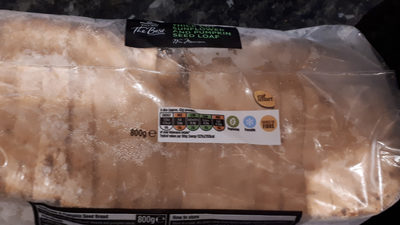
Foods that contain Tartaric acid esters of mono- and diglycerides of fatty acids
Compare products →




Auto-generated content. This description was generated automatically and is pending editorial review. Inaccuracies are possible. Found a mistake? Contact us.